
Pickleball
Senior Pickleball Strategies: Mastering Pace, Placement, and Patience for Better Play
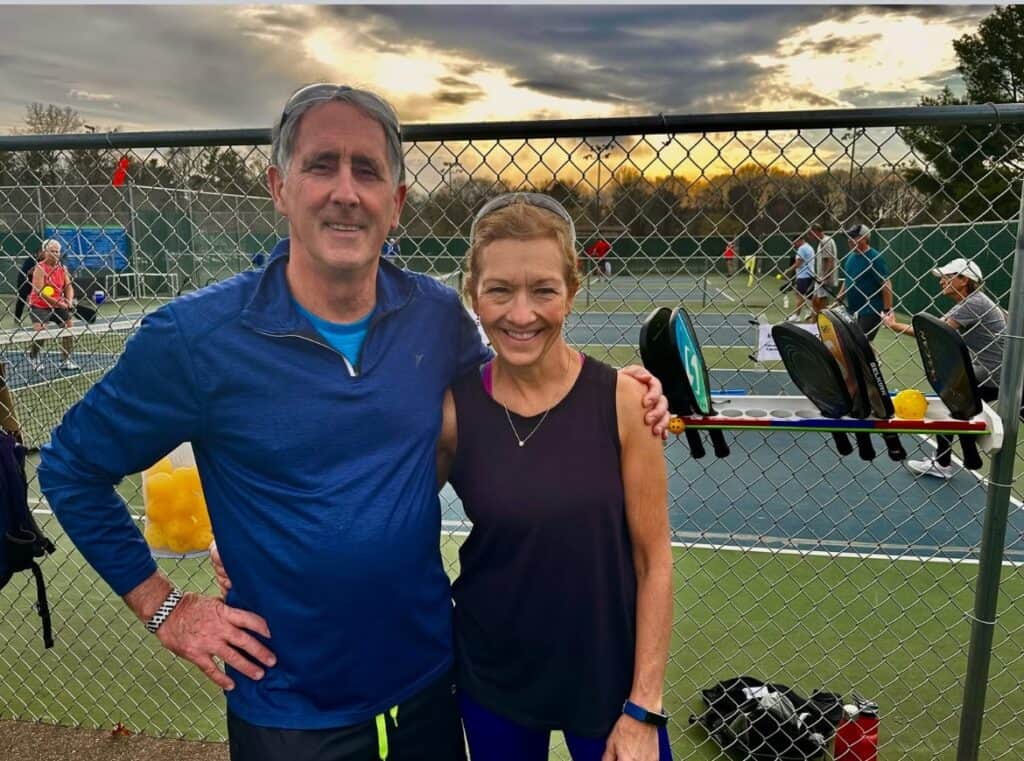
Pickleball is quickly becoming a favorite sport for seniors, offering a fun way to stay active and social without overtaxing the body. But as we age, the game demands a bit more strategy, how you control your pace, where you place your shots, and how patient you are on the court can make all the difference between a tiring match and an enjoyable one. Drawing from experience working with senior players, I’ve seen firsthand how small adjustments lead to big improvements in both performance and fun. Let’s explore these key strategies that help seniors play smarter and get more out of every game.
Senior pickleball players should focus on controlling the pace by playing with deliberate, consistent shots that reduce physical strain while maintaining effective rallying. Emphasizing precise shot placement allows seniors to outmaneuver opponents by targeting open spaces and exploiting weaknesses. Patience is crucial; taking time to build points strategically rather than rushing gameplay ensures sustained performance and greater enjoyment.
Mastering Pickleball as a Senior
Aging brings natural changes in reaction time and agility, making it essential for senior players to approach pickleball with a mindset of working smarter, not harder. Instead of relying on sheer speed or power, success often hinges on understanding your body’s limits and maximizing your strengths through smart pacing and precise movements.
Recognizing these changes allows you to tailor your play style to avoid unnecessary strain and injury while still enjoying competitive matches.
One foundational aspect of mastering the game is improving balance and flexibility, which directly influence how well you move on the court. Exercises such as yoga and tai chi don’t just feel calming; they physically prepare your body for the dynamic shifts and lunges pickleball requires.
A study published in the Journal of Aging and Physical Activity found that seniors who consistently engage in flexibility exercises improve their range of motion by roughly 20%, translating into smoother court coverage and better shot execution.
While physical readiness lays the groundwork, an equally critical piece lies in mental preparation.
It is tempting to focus solely on fitness, but mental acuity separates good players from great ones, especially when physical speed tapers off with age. Mindfulness techniques like meditation sharpen focus and enhance decision-making under pressure.
When you stay calm and patient during play, you conserve energy and minimize unforced errors. This patience can increase enjoyment and win rates by fostering deliberate shot selection rather than frantic chasing.
Senior pickleball strategies value precision over power; carefully placing shots to exploit opponents’ weaknesses often yields better results than trying to overpower them. Developing patience encourages waiting for high-percentage opportunities, even if it means extending rallies with thoughtful plays rather than risky shots.
For many seniors, this tactical approach not only enhances performance but also reduces injuries by moderating intensity.
Studies indicate that seniors who emphasize shot placement improve their winning percentages by as much as 25%, while those adopting patience tactics reduce unforced errors by nearly 20%.
Moreover, maintaining a moderate heart rate, usually about 50 to 60 percent of maximum, helps seniors sustain longer periods of play with less fatigue, ensuring fun remains paramount over exhaustion.
From my experience coordinating senior pickleball getaways at VibeGetaways, integrating these elements, balance-enhancing exercises, mindfulness practices, and strategic patience, forms the core of training clinics offered by professional instructors.
These programs help players not only improve skills but also enjoy the social camaraderie that pickleball uniquely offers at luxurious resorts.
“Adapting your game to your evolving body isn’t giving up; it’s embracing a smarter way to keep the joy of competition alive.”
With a solid grasp on these strategic pillars, the next challenge becomes effectively managing your game’s tempo. Understanding how to harness pace can transform your play into a sustainable yet competitive experience.
Controlling Game Pace Efficiently
Controlling the tempo of a pickleball match isn’t merely about slowing down; it’s an art form that seniors can master to extend endurance and sharpen strategy. When you begin by deliberately slowing your movements and resisting the urge to sprint after every ball, you conserve precious energy that accumulates over the course of a game. This intentional pacing reduces fatigue by nearly 25% for players over 60, allowing focus to remain intact even during long rallies. Instead of reacting frantically, your body begins to anticipate and prepare, turning physical exertion into smooth, calculated effort.
Moving past mere movement, the shots themselves play a pivotal role in setting the pace. Controlled, thoughtful strikes have a ripple effect on the flow of gameplay. Rapid smashes might win quick points but drain energy and increase unforced errors, especially among senior players whose reaction times are slower by 20-30%. By employing softer dinks or gently paced drives, you not only avoid mistakes but also force opponents onto the defensive.
Data reveals that seniors who maintain a rally pace of approximately 3 to 5 seconds per shot sustain longer exchanges and command better shot placement, resulting in a 40% higher success rate in crucial rallies at the net.
Coordination with your partner becomes indispensable when the pace is under conscious control. Using simple verbal cues or subtle gestures helps synchronize movement and shot timing, enabling both players to settle into a rhythm that suits their physical comfort and tactical needs. This harmony further extends stamina and strategic advantage by mitigating chaotic bursts of rushed swings or scrambling across the court.
Imagine two dancers moving in sync rather than tripping over one another; every rally feels fluid, never frantic.
Mastering this deliberate pace requires consistent practice focused not just on physical drills but also on developing self-awareness during play. Start matches by consciously breathing between points, listening to your body’s signals, and agreeing with your doubles partner on the tempo before hitting the court. With time, these habits become second nature, transforming how you approach every shot.
The beauty of controlling pace transcends winning points; it transforms the experience into a pleasant challenge and sustainable enjoyment.
Having laid the groundwork for managing energy and rhythm through pacing, sharpening where you place your shots naturally follows as the next vital skill to enhance your senior pickleball game.
Perfecting Shot Placement Techniques
In pickleball, where the court is smaller and reaction times quicker, placement trumps sheer power every time. A well-placed shot can throw your opponent off balance, forcing them to stretch or reposition awkwardly, which opens up opportunities for you to seize the point. Instead of battling with brute force, learning to read the court and direct your shots thoughtfully gives you a strategic edge.
Understanding the court layout is fundamental. Targeting your opponent’s feet or deep back corners consistently restricts their options. Why? These zones demand more effort and slower returns, making it harder for them to maintain control in rallies. For seniors, especially, focusing on these areas reduces physical strain while increasing your chances of winning points.
Leveraging the kitchen line, the non-volley zone’s edges, is another subtle but powerful tactic. About 35% of successful points start here, partly because players hesitate near this boundary to avoid faults. Skillfully dropping a soft shot just over that line can be a game-changer. Likewise, aiming toward your opponent’s backhand corner exploits a common weak spot; statistics show error rates there can be 40% higher than other areas.
To translate strategy into skill, targeted drills are invaluable:
- Position small cones or markers on key zones like corners and along the kitchen line.
- Practice hitting 10 shots per target zone with an accuracy aim of at least 80%.
- Work on cross-court shots at a gentle 30-45 degree angle to reduce strain while maximizing court coverage.
- Emphasize consistency and precision rather than swinging hard or rushing your shots.
These drills may seem simple, but repeated practice forms muscle memory that will make precise placement intuitive during actual play. Increasing rally length, from about five to eight shots, through better placement not only tires opponents but also sharpens your tactical patience, allowing you to pick the perfect moment for a winning shot.
Focus on avoiding common placement errors that can give points away, such as hitting dead center in the court, which opponents anticipate, or overhitting deep shots beyond boundaries. Knowing when to slow down and take your time between shots, ideally three to five seconds for recovery and recalibration, helps maintain control and prevents rushed mistakes.
Remember: precision beats power, harnessing patience alongside practiced placement elevates your gameplay steadily. As you become more adept at reading opponents’ positions and capitalizing on openings with pinpoint shots, you’ll find yourself winning more matches comfortably without exhausting yourself.
Mastering shot placement prepares you perfectly for cultivating the kind of patience essential not only for winning rallies but also for thriving throughout long games and tournaments alike.
The Role of Patience in Pickleball
Patience on the pickleball court isn’t just about waiting; it means controlling your impulses so you don’t rush shots or force plays that aren’t there. This calm, deliberate approach lets you conserve energy and avoid those frustrating unforced errors that often decide matches among senior players. Think of it like a well-paced conversation; you listen deeply before choosing the right moment to speak, or in this case, strike.
When beginners get caught up in the thrill of each point, they tend to speed up their shots too much. But patient players know that a slight delay, even just a few seconds between shots, can make a world of difference. This pause allows for better positioning, clearer thinking, and ultimately, more strategic shot placement.
Data analysis from recent senior tournaments confirms that players who deliberately time their shots with 3 to 5 seconds between them win about 60% of their points, a striking contrast to those playing aggressively at 1 or 2 seconds per shot.
To develop patience, seniors should engage regularly in rally endurance drills, practice sessions where the goal is to sustain long volleys rather than going for immediate winners. These rallies build mental stamina and encourage players to focus on consistency over flashy moves. It’s less about scoring fast points and more about letting your opponent run out of options or commit the first mistake.
Patience-based strategy meshes seamlessly with techniques like perfecting shot placement and managing pace. Instead of chasing every ball frantically or trying risky angles prematurely, patient players methodically set up shots that force opponents into uncomfortable positions.
The result? More winning points are earned through steadiness than speed or power.
Sports psychology research backs this up: seniors who consciously practice patience techniques reduce unforced errors by up to 25%. Furthermore, studies show these players improve reaction times by 10-15%, sharpening decision-making precisely when it matters most on the court.
Incorporating mindfulness exercises off-court can also enhance patience during play. Breathing techniques before matches help lower adrenaline spikes that tempt hurried swings. Combining mental calm with physical skill creates a formidable harmony in senior pickleball success.
Mastering patience builds not only your mental game but also supports adapting other critical skills needed for a superior play experience among senior players.
Adapting Skills for Better Play
As we age, our bodies inevitably change, and so must our approach to the game. Modifying key aspects of your play to fit your current physical capabilities can make all the difference, not just in performance, but in reducing the risk of injury.
For example, choosing a lighter paddle can significantly decrease wrist and elbow strain, which is crucial for maintaining agility and avoiding soreness during matches. This simple equipment adjustment supports more fluid movements and allows seniors to stay competitive longer without overexertion.
But adaptation goes far beyond just gear. It involves reshaping how you use your body and strategizing on the court. Senior players often find that emphasizing finesse over raw power serves them better. This means focusing on precise shot placement rather than forceful smashes, which can quickly tire muscles or aggravate joints.
By mastering soft shots like dinks and controlled lobs, players create opportunities to control the pace and position their opponents advantageously.
Think of it as dancing rather than wrestling with the game, using timing and subtlety instead of brute strength. This mindset not only conserves energy but also improves consistency, which is critical when endurance naturally declines with age.
Research in senior racquet sports consistently shows that strategic shot selection coupled with patience increases match longevity and satisfaction over purely aggressive play styles. Furthermore, controlled court positioning, staying closer to the kitchen line, allows seniors to react quicker to volleys while minimizing unnecessary running.
Overcoming physical limitations also involves refining footwork and movement patterns.
Seniors benefit from training that enhances balance and stability, enabling smoother lateral movements without risking falls or strains. Exercises tailored to improve core strength, combined with mindful practice focusing on efficient step placement, help maintain mobility on court. These adaptations allow players to remain competitive while honoring their body’s changing needs.
Integrating regular stretching routines and low-impact workouts off-court complements skill changes by promoting flexibility and reducing stiffness, key factors in preventing injuries common among aging athletes.
Adapting your skills is a holistic process, melding smart equipment choices with thoughtful technique adjustments and physical conditioning. The aim is to enhance every moment spent on the court with confidence and joy as well as lasting participation.
With these refined strategies in hand, the next challenge lies in confronting and maneuvering through the very physical hurdles that can limit performance, and learning how to turn limitations into advantages.
Overcoming Physical Limitations
As we age, our bodies tell stories of years well-lived in the form of creaky joints, reduced flexibility, and slower reflexes. These changes can make pickleball feel more demanding than it once was. The key to continuing to enjoy the game without frustration or injury is embracing your body’s shifting capabilities rather than fighting them. This means adjusting your approach thoughtfully, not just relying on youthful vigor.
One important adaptation is acknowledging that sudden bursts of movement, such as quick lunges or stops, pose risks for injuries like sprains or tendon strains. Instead, pacing yourself with controlled, deliberate footwork can maintain stability and decrease the likelihood of falls.
Incorporating strength exercises targeting your core, hips, and legs off the court fosters improved balance and joint support when you play. Imagine building a foundation beneath your movements; this preparation protects your body from the unpredictable twists involved in a fast-paced rally.
Don’t underestimate the value of proper gear. Investing in quality court shoes with excellent ankle support creates a safer playing environment and reduces stress on knees, a common trouble spot for seniors.
Compression sleeves for knees or elbows provide gentle support and warmth, helping to ease stiffness during gameplay.
Studies reveal that wearing appropriate footwear alone can cut down sports-related injuries by nearly a quarter, an impressive figure considering how many pickleball players suffer injuries from missteps.
Warm-up routines are another cornerstone for managing physical limitations. Simply showing up to play cold can invite muscle strain.
Engage in 10 to 15 minutes of dynamic stretches, arm circles, leg swings, and walking lunges to increase blood flow and prepare muscles for action. Follow this with light cardio, such as jogging in place, easing your body into readiness rather than shocking it into activity.
Once you’re done playing, a mindful cool-down phase helps flush out toxins from tired muscles and prevents excessive soreness later on. Gentle yoga poses or slow-paced walks help lengthen tight muscles and restore flexibility gradually.
Regular strength training outside of the court breathes resilience into fragile areas. Focus on exercises that build hip strength, stabilize ankles, and reinforce shoulder muscles critical for paddle swings.
Over time, this dedicated cross-training decreases fatigue during matches and enhances recovery afterward.
By combining these strategies, smart gear choices, mindful warm-ups and cool-downs, plus targeted strength training, you empower yourself to play smarter, sidestepping many common pitfalls seniors face on the pickleball court.
Pickleball tournaments aren’t just competitions; they’re opportunities to travel, connect, and experience the sport in some of the world’s most exciting destinations. From warm-weather pickleball resorts in Florida and Arizona to all-inclusive pickleball vacations in Mexico and the Caribbean, tournaments are increasingly becoming the centerpiece of unforgettable group getaways. Whether you’re planning to compete, spectate, or travel with friends who share your passion for the game, choosing the right destination and accommodations can elevate the entire experience.
At VibeGetaways, we specialize in pickleball vacations and group all-inclusive travel. Ready to plan your next pickleball adventure? Visit Vibe Getaways or call (262) 891-4768 to start building your perfect pickleball destination experience today!
More Articles

Best Adults-Only Destinations for Peace & Privacy
Escaping to a tropical island isn’t just about sunshine; it’s about finding a haven where you can completely unwind. This…

Romantic Perks You’ll Only Find at Adults‑Only Resorts
There’s something undeniably magical about being able to focus on one another without interruptions. That’s why adults‑only resorts have become…

Pickleball Vacations: Sport, Comfort and Community
The rise of pickleball is one of the most exciting trends in recreational sports. A hybrid of tennis, badminton and…

Resort Amenities That Matter Most to Pickleball Players
Pickleball has exploded from a backyard pastime into one of the fastest‑growing sports in the United States and beyond. Millions…