
Pickleball
Pickleball Tournaments: Formats, Rankings & Complete Guide to Rules and Types
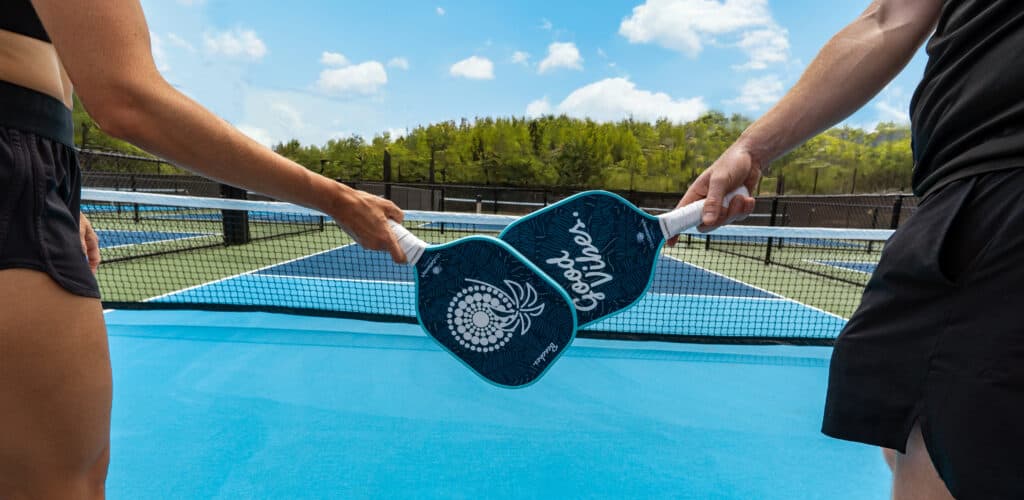
Pickleball has exploded in popularity, and with that growth comes a whole world of tournaments where players of all levels can compete, learn, and have fun. But diving into these events can feel confusing at first, different formats, ranking systems, and rules all play a part in shaping the experience. Whether you’re just starting out or aiming to climb the competitive ladder, understanding how tournaments work will help you get the most out of every match and enjoy the game even more. Let’s break down everything you need to know about pickleball tournaments, from basic types to how rankings and rules fit together.
Pickleball tournaments commonly use formats such as Round Robin, Single Elimination, and Double Elimination to accommodate varying numbers of players and skill levels, each offering different balances of playtime and competitiveness. Player rankings are typically determined through systems like the USAP self-rating scale and the DUPR dynamic rating, which assess skill based on match performance, helping organizers seed brackets fairly and enhance competitive balance.
Types of Pickleball Tournaments
Pickleball tournaments come in many shapes and sizes, each catering to different levels of experience and ambition. At the most relaxed end, casual tournaments emphasize enjoyment and social connection over competition. These events create a welcoming environment where newcomers can learn the ropes without pressure. They often include fun side activities and encourage mingling among participants, fostering a community spirit. Casual tournaments usually follow simpler formats with flexible rules that keep the mood light and inviting.
Moving beyond casual play are competitive tournaments, crafted for players who want to test their skills rigorously. These contests demand a higher level of preparation and often utilize structured formats like single or double elimination or round robin to ensure fairness. Players are typically grouped based on skill ratings, such as DUPR or USAP scales, to promote balanced matchmaking. This seeding helps prevent mismatches that could discourage less experienced competitors while pushing skilled players to excel.
Competitive events range widely in scope, from club championships held within a local community to regional tournaments drawing talent from nearby areas. Some tournaments even serve as qualifiers for national or professional circuits, adding an extra layer of intensity. These levels bring different stakes and atmospheres, something to consider depending on how serious a player wishes to be.
It’s worth noting that choosing the right tournament format also impacts how much playtime participants get. For instance, round-robin styles guarantee multiple matches for everyone, which is especially valuable in casual settings or when players seek plentiful court time. In contrast, single-elimination formats accelerate progression but can leave early-round losers with short experiences, a tradeoff organizers balance based on event size and goals.
Interestingly, hybrid formats are increasingly popular because they blend the benefits of different structures. For example, combining pool play (small round-robins) with knockout playoffs strikes a good balance between fair matchups and efficient scheduling. Such flexibility enhances enjoyment and satisfaction among diverse player groups.
The takeaway: understanding these tournament types empowers players to select events matching their skill levels and competitive appetite, ultimately enriching their pickleball journey.
For those uncertain where to start, joining casual tournaments through clubs or community centers offers low-pressure environments to build confidence before venturing into more competitive arenas. And for organizers wanting seamless management of any format, tools like SwishTournaments can automate scheduling and scoring, removing headaches so hosts can focus on delivering great experiences.
With this broad overview of tournament types in mind, it’s essential to understand the mechanics behind each structure. The next section unpacks how these formats function, detailing their unique advantages and nuances that define the competitive landscape.
Tournament Formats Explained
The way a pickleball tournament is structured profoundly influences everything, from how long it runs to how fair and engaging it feels for participants. Each format has strengths and trade-offs that suit different tournament sizes, skill levels, and organizer goals. Let’s walk through the main types to see what they offer.
Round Robin
Round robin stands out for its fairness and inclusivity. Every player or team faces all others in their group, guaranteeing multiple matches regardless of win or loss. This means if you’re new or less confident, you still walk away having played lots of games, which can ease nerves and help improve skills.
However, this approach demands significant time and court availability. With eight players, the number of matches balloons to 28, so organizers need to plan accordingly. Despite its length, a round robin often leads to the most accurate reflection of skill since everyone competes against everyone else. It’s ideal for smaller tournaments or social events where the goal is maximizing play rather than rushing to a winner.
Single Elimination
Single elimination is the classic knockout style: lose once, and you’re out. This format moves tournaments along swiftly, a big plus when courts are limited or time slots are tight, and creates high stakes right from the start.
SwishTournaments (2025) highlights that single elimination remains the top choice for large events due to its efficiency. Yet early losses mean limited playtime for those knocked out quickly, which can be tough for beginners wanting more on-court opportunities.
Double Elimination
Leading a middle ground between fairness and pace, double elimination lets players lose once without being sent home immediately. Instead, they drop to a losers’ bracket with another shot at reaching the final. This system fosters suspense by keeping strong competitors alive longer while rewarding resilience.
Scheduling gets trickier as matches nearly double compared to single elimination. Tournament organizers must communicate clearly to prevent confusion about who plays when. For competitive players, double elimination brings satisfying depth and excitement.
Hybrid Formats
Sometimes blending formats offers the best of both worlds. A common hybrid approach starts with round robin pools where everyone plays several matches. Then, the top performers advance into a knockout stage, single or double elimination, to determine champions.
This structure balances fairness with practical time management by guaranteeing ample play upfront while preserving the thrill of do-or-die rounds later. It also suits events with wide-ranging skill levels by grouping similarly skilled players initially before mixing it up in playoffs.
With these format options firmly in mind, understanding how player rankings feed into tournament structure offers deeper insight into fair play and competition balance ahead.
Ranking Systems Overview
Ranking systems in pickleball do more than just place a number next to your name; they shape how tournaments are organized and track your growth as a player. The two dominant systems, the USAP Self-Rating system and DUPR, approach this goal from very different angles, each bringing unique strengths to the table.
USAP Self-Rating System
The USAP Self-Rating system classifies players on a scale that runs from below 2.0, marking complete beginners, up to above 5.0, reserved for advanced competitors. This scale acts as a quick and accessible benchmark for players to self-assess their skill, which helps tournament organizers group participants appropriately. For example, someone with a 3.0 rating is expected to “consistently get serves in” but might find complex positioning like the “triangle formation” challenging during dynamic play. The simplicity of this system means it’s easy to understand and widely used in local clubs and recreational settings.
Yet its reliance on self-assessment can sometimes introduce subjectivity; players might overrate or underrate themselves depending on confidence or experience. That’s where the modern innovations of the DUPR system come in.
DUPR System
Unlike self-rating, the DUPR rating automatically adjusts based on actual match outcomes, creating a dynamic and data-driven evaluation of skill. Imagine winning against a 3.5-rated player but losing to someone rated 4.0; DUPR uses these results to estimate your skill at about 3.75, positioning you where your real competitive level lies rather than where you think it should be. This adaptive method doesn’t just reward wins but also considers the quality of opponents and how unexpected the outcomes are.
However, despite its sophistication, some players feel DUPR adjusts ratings more conservatively than other sports’ rating systems. Changes in rank don’t happen overnight; instead, they reflect consistent performance over time. This helps ensure that ratings are stable and meaningful rather than inflated after just a few lucky matches.
“The beauty of DUPR lies in its fairness; it’s built on millions of matches worldwide, capturing both competitive spirit and recreational fun.”
This combination of transparency and real match data has led to DUPR becoming the world’s most accurate pickleball rating system, now trusted by over one million players globally, including pros and everyday enthusiasts alike.
For players looking to climb the ranks or just find evenly matched opponents, understanding these systems can help set realistic goals and choose suitable tournaments. Those new to pickleball might start with USAP ratings for easy entry points, while more seasoned players benefit from DUPR’s detailed feedback loop built straight into each match result.
With ranking systems clearly defined, it becomes easier to see how tournament structures align with player skill levels, ensuring every tournament offers balanced competition while helping you sharpen your game progressively.
Point Allocation in Tournaments
Points aren’t just numbers on a scoreboard; they’re the currency that moves players up or down in the competitive pickleball world. Typically, each match win contributes to a player’s or team’s point total, but it’s not a flat rate across all events. Winning an early-round match in a smaller local tournament might bank you fewer points compared to triumphing in the final of a major event. For example, a typical match win could add around 100 points, but conquering a high-stakes match, say, the championship round in a Premier League event, might earn you upwards of 200 points. This variance reflects the tournament’s stature and the caliber of opponents faced.
These distinctions matter because they acknowledge that beating top-tier opponents in tougher settings is more valuable than racking up wins against weaker competition. Therefore, tournaments are often grouped by levels, from Challenger to Premier, each with its own scaling for point awards based on difficulty and prestige.
Digging deeper, some ranking systems don’t simply count wins and losses; they also account for performance metrics like margin of victory or points scored within matches. This adds layers of complexity but allows rankings to reflect dominance, not just outcomes. For instance, edging out a competitor by one or two points isn’t weighed the same as winning decisively with a large gap. While this nuanced approach offers a fairer portrait of skill levels, it demands meticulous record-keeping and sometimes confuses casual followers trying to track rankings without insider knowledge.
Beyond single-match performance, rankings often reward consistency over time, a concept that resonates strongly with players who show steady dedication rather than sporadic brilliance.
Many systems award bonus points for participating regularly throughout the season or achieving repeated success. This encourages athletes to engage continuously rather than skipping events after an occasional win. Such incentives foster a vibrant, competitive scene where persistence pays off, allowing players who may not always take first place but remain solid contenders to rise steadily through the ranks. Consistency rewards create balance between celebrating peak moments and honoring durable commitment, qualities essential to sustaining both careers and fan interest.
“Ranking points shape not only where players stand today but also carve their paths toward future qualifications and opportunities.”
| Point Factor | Description | Impact on Rankings |
| Match Wins | Basic allocation per victory | Primary driver of ranking points |
| Tournament Level | Scale based on competition difficulty and prestige | Multiplies base point values |
| Margin of Victory | Difference in score between players | Adds nuance; rewards dominant wins |
| Consistency Bonuses | Extra points for regular participation and steady performance | Encourages ongoing engagement |
Grasping these nuances arms you with insight into why certain players seem to climb effortlessly while others hover near the bottom despite occasional flashes of skill. For serious competitors aiming to strategize their seasons or casual fans hoping to follow storylines more closely, understanding point allocation mechanics shines light on what truly fuels progression in pickleball’s fast-growing competitive universe.
With how points influence player trajectories established, another layer emerges: how different experiences and skill tiers shape the competitive landscape itself.
Competitive Levels in Pickleball
Pickleball divides players into skill-based levels to ensure matches are fair and enjoyable. These levels range from beginners just learning basic strokes to seasoned pros who master complex strategies. Understanding where you fit on this spectrum is crucial to finding tournaments that challenge you appropriately without overwhelming or underwhelming your ability.
At the beginner level, which generally includes players rated between 2.0 and 3.0, competition tends to be casual, focused on learning rules and developing consistency. This phase highlights enjoyment and skill-building rather than intense rivalry. Beginners often participate in introductory tournaments designed to give them multiple opportunities to play and improve without high stakes or pressure.
Moving up, the intermediate tier sits around the 3.5 rating mark and represents a critical stage. Many recreational players plateau here, where consistency combines with strategic shot placement and sustained rallies. Tournaments at this level become more structured, balancing competitiveness with broad participation. This is where players begin to sharpen their skills seriously while testing themselves against similarly matched opponents.
Beyond that lies the advanced category, including 4.0 to 4.5 rated players who bring power, precision, and tactical awareness to the court. Matches become intense battles where preparation and mental toughness matter as much as physical ability. These players typically compete for meaningful prizes, rankings, and bragging rights in well-organized events that demand commitment and continuous improvement.
Finally, we reach the professional echelon marked by ratings above 5.0. These athletes display elite techniques honed through years of competition at national or international stages. Participation here is usually limited to highly selective tournaments requiring qualification or invitations. The pro level emphasizes not just winning but pushing pickleball’s boundaries with innovative playstyles and relentless drive.
Knowing where you stand within these tiers helps tremendously when selecting tournaments that match your abilities, keeping you motivated while ensuring competitive enjoyment.
| Level | Rating Range | Characteristics | Typical Tournaments |
| Beginner | 2.0 – 3.0 | Learning fundamentals; casual competition | Introductory events, local beginner leagues |
| Intermediate | ~3.5 | Consistency and strategic play; intermediate skills | Community tournaments with structured brackets |
| Advanced | 4.0 – 4.5 | High-level control, power, tactics | Regional championships, competitive club tourneys |
| Professional | 5.0+ | Elite skill; national/international stage | Pro circuits, USAPA Nationals, Open championships |
Most tournament organizers combine age brackets with skill ratings; for example, a “3.5 50+” division lets competitors face opponents close in both ability and age. This layered approach ensures fairness and maintains fun across demographics.
If you’re new to rating yourself, tools like the USAPA’s self-rating guide provide simple descriptions, such as being able to count points consistently or hitting serves accurately, to help place you at a realistic starting point. Meanwhile, advanced systems like DUPR dynamically update your rating based on actual match outcomes over time.
As you progress through levels, keep in mind that patience is vital: ratings adjust gradually, so climbing the competitive ladder reflects genuine improvement rather than quick leaps that risk poor fit or discouragement.
With a clear understanding of these competitive tiers and rating systems, it’s easier to navigate tournament selections wisely and set measurable goals for advancement in this fast-growing sport.
Major National Events
Among the sweep of pickleball tournaments that pepper the calendar, major national events stand apart not just for their scale but for what they represent: the fiercest competition and the highest stakes. These are the arenas where reputations are forged, and careers take pivotal turns.
Take the US Open Pickleball Championships, for instance. It is more than just a tournament; it’s a yearly pilgrimage for thousands of players aiming to leave their mark. The sheer volume of participants transforms it into a bustling arena of skill and ambition, where rising stars meet seasoned pros in intense matchups. Winning at this event does more than add a trophy to your shelf; it elevates your status within the sport, often opening doors to sponsorships and invitations to other elite competitions.
Transitioning over to Indian Wells, California, hosts another cornerstone of national pickleball, the U.S. Nationals. Known for its electric atmosphere and relentless competition, this tournament draws a broad spectrum of top-tier talent. The intense pressure to perform alongside hundreds of highly skilled players creates an environment where every point feels like a critical test of agility and strategy.
Beyond competition, the event serves as a vibrant gathering point for the community, blending fierce athleticism with opportunities to connect and learn from the best.
Other notable tournaments shape the national pickleball scene significantly. The Tournament of Champions consistently challenges competitors to bring their highest level of play, acting as a true barometer of skill among elites. Meanwhile, the North American Open adds an international flavor, bringing in top contenders from around the globe.
This influx raises the stakes further, as players not only compete for titles but also seek to prove themselves on a worldwide stage. These events transform local grassroots achievements into global recognition.
Participation in such prestigious national events marks critical milestones in many athletes’ careers. Beyond titles and trophies, these tournaments impact player rankings profoundly, each match contributing valuable points that can alter a competitor’s trajectory within the sport’s hierarchy.
Understanding these dynamics is crucial whether you’re an aspiring competitor planning your tournament schedule or an enthusiastic fan following rising stars. These events embody the heart of pickleball competition and offer unmatched experiences both on and off the court.
Getting tickets early through platforms like TIXR.com or Ticketmaster ensures you don’t miss seeing this high-energy action live, immersing yourself right where history unfolds.
For those looking to experience high-level play or enjoy world-class matches firsthand, tracking Major League Pickleball’s 2025 season is an excellent step.
Spanning April through August with weekly events all held in cities with MLP teams, it brings team-based energy and excitement directly to fans nationwide, a fresh take on top-tier competition that complements traditional singles-focused tournaments beautifully.
As you explore pickleball’s competitive landscape further, remember these major national events aren’t just contests; they’re celebrations of skill, dedication, and community woven tightly into the sport’s fabric.
Whether you’re hitting the courts or cheering from the stands, immersing yourself in these vibrant events will deepen your connection to pickleball’s thrilling culture.
Pickleball tournaments aren’t just competitive events; they’re incredible opportunities to travel, connect, and turn your passion for the game into a memorable vacation experience. From top pickleball destinations and resort-based tournaments to group all-inclusive pickleball vacations, planning the right trip can elevate the entire experience on and off the court. Whether you’re traveling solo, with friends, or organizing a group getaway around a major tournament, VibeGetaways makes it easy to plan every detail. Contact our travel agency today to start planning your next pickleball vacation and experience the perfect blend of competition, relaxation, and adventure.
More Articles

Best Adults-Only Destinations for Peace & Privacy
Escaping to a tropical island isn’t just about sunshine; it’s about finding a haven where you can completely unwind. This…

Romantic Perks You’ll Only Find at Adults‑Only Resorts
There’s something undeniably magical about being able to focus on one another without interruptions. That’s why adults‑only resorts have become…

Pickleball Vacations: Sport, Comfort and Community
The rise of pickleball is one of the most exciting trends in recreational sports. A hybrid of tennis, badminton and…

Resort Amenities That Matter Most to Pickleball Players
Pickleball has exploded from a backyard pastime into one of the fastest‑growing sports in the United States and beyond. Millions…