
Destinations
Mental Toughness in Pickleball: Building Focus and Calm for Better Play
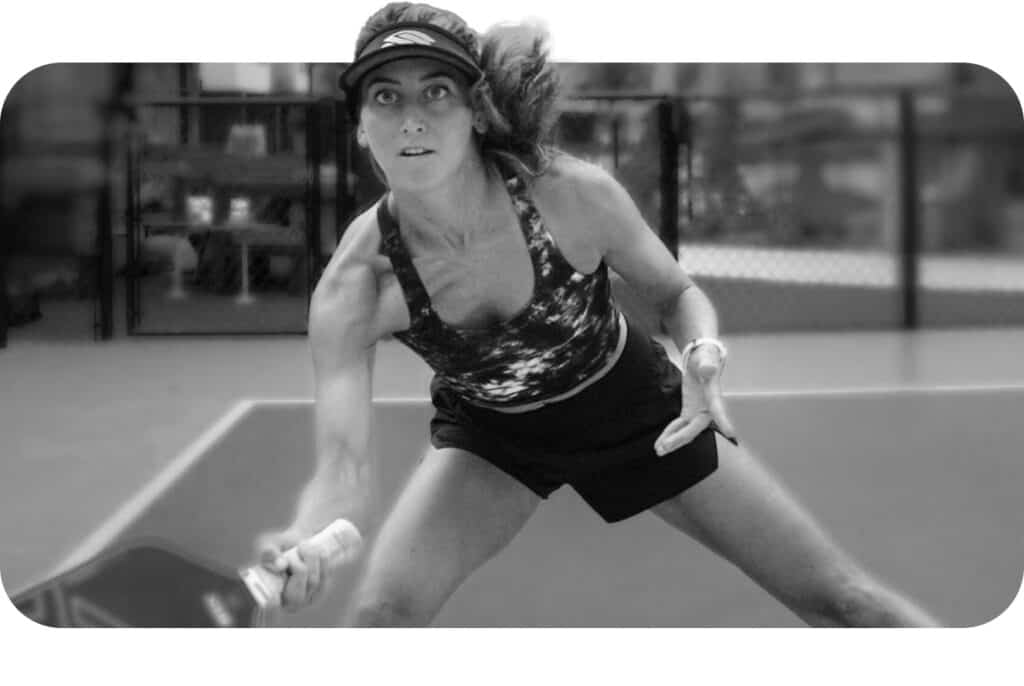
Playing pickleball isn’t just about having quick reflexes or a powerful swing; it’s also about what’s going on inside your head. When the game gets intense, staying focused and calm can make all the difference between winning and losing. Mental toughness isn’t something you’re born with, it’s something you develop by practicing how to manage your thoughts and emotions during play. This article breaks down simple but effective ways to build that mental strength so you can step onto the court confident, clear-headed, and ready to play your best.
Building mental toughness in pickleball involves developing strategies such as establishing pre-point routines with deep breathing and visualization to maintain focus, using positive self-talk to replace negative thoughts, and practicing mindfulness techniques to stay calm under pressure. Additionally, training with simulated high-pressure scenarios and focusing on controllable factors like effort and shot selection enhances your ability to stay composed and perform confidently during competitive play.
Keys to Building Mental Toughness
One of the most powerful tools in developing mental toughness is establishing a consistent pre-game routine. This isn’t just about warming up your body; it’s about setting your mental foundation for success.
Imagine this: ten minutes before every match, you step onto the court having already warmed up physically but also mentally rehearsed key shots, visualized confident plays, and affirmed your readiness.
Visualization activates parts of your brain responsible for movement and focus, as if you were actually on the court making those shots. This practice cultivates a sense of familiarity and control even in high-pressure moments, helping reduce anxiety before a single point is played.
Visualization isn’t merely daydreaming; it’s a deliberate mental exercise. Research shows that imagining successful performance improves reaction times, vital in a fast sport like pickleball, where decisions unfold in milliseconds.
By regularly picturing yourself executing strong serves, strategic drops, or winning volleys, you strengthen neural pathways that contribute to muscle memory and confidence under pressure.
Mindfulness practices complement visualization by anchoring your awareness firmly in the present moment during matches. Breathing exercises, especially the 4-4-6 technique, inhaling for four seconds, holding for four, then exhaling for six, activate your parasympathetic nervous system to calm nerves quickly.
This method eases stress hormones like cortisol, clearing mental fog so you can focus sharply on each point rather than getting lost in worries about past errors or future outcomes.
What happens when emotions start running high mid-game? When frustration or anxiety climbs during tight rallies or after mistakes, these simple breathing resets become critical “mental timeouts” for recalibrating focus instead of losing composure.
Taking even a few seconds between points to breathe deeply and reset intention can transform how you respond to pressure.
Beyond immediate tactics, daily mental rehearsal is essential for long-term growth. Spending brief moments off the court imagining challenging scenarios, such as facing aggressive opponents or playing decisive match points, allows you to “train” your mind for adversity without physical strain.
This rehearsal makes stressful situations feel less unfamiliar and scary when they arise live, enabling clearer thinking and steadier execution under fire.
Incorporate positive self-talk into both practice and competition by replacing negative thoughts (“I missed that shot”) with empowering phrases (“Next ball counts”).
Writing cue words like “focus,” “calm,” or “attack” on your paddle can serve as quick reminders during rallies to anchor your mindset productively.
- Pre-game visualization primes success.
- Mindful breathing keeps you calm under pressure.
- Daily mental rehearsal builds resilience.
- Positive self-talk sustains confidence.
- Cue words sharpen focus.
Introducing these techniques into regular training routines gradually transforms mental approach from reactive to proactive, turning internal distractions and doubt into deliberate strategies for staying composed and competitive.
The story of Sarah underscores this transformation well; after embracing these habits, her confidence skyrocketed alongside her results, showing how accessible mental toughness is when built through steady practice rather than talent alone.
Moving forward, it becomes crucial to explore specific exercises that can hone this sharpened focus into consistent performance on the court.
Effective Drills to Boost Concentration
Concentration is your secret weapon in pickleball, and the right drills act as a gym for the mind. When you engage in multitasking drills, your brain learns to filter out the noise and zero in on what counts. Imagine practicing your dinks while counting backward from 100 or reciting a poem. At first, it feels awkward, but this deliberate juggling trains your neural circuits to stay locked onto your shots even when distractions try to steal your attention.
This kind of mental conditioning is crucial because during a fast-paced match, multiple elements compete for your cognitive bandwidth, and only those who’ve sharpened their focus can maintain consistency.
Once you’ve strengthened that foundational concentration, it’s time to apply it under more realistic conditions.
Enhanced rally drills push your concentration deeper by encouraging sustained attention over time. Partner up and set a target, maybe 30 volleys without error or a five-minute continuous rally where each shot requires precise placement. The goal here isn’t flashy winners but rhythm and accuracy.
Scientific studies back this up: repeated exposure to such drills rewires your brain, turning intense focus into second nature rather than something you have to force. As you build this mental stamina, you’ll notice that pressure situations become less intimidating because your concentration has been practiced in a controlled environment.
But not all games are played in ideal silence; real matches come with distractions.
Distraction management drills condition you to play through noise and chaos. Try practicing with loud music blasting or have friends simulate crowd chatter while you play. This may sound frustrating initially, but it forces your brain’s filter system to adjust.
Essentially, you’re teaching yourself not to react emotionally or cognitively to surroundings that would normally deflect your focus. Over time, these distractions lose their power. Your mind becomes like a laser beam that can cut through commotion and zero in on every detail, from the ball’s spin to foot positioning, strengthening that calm, steady presence required for clutch moments.
These targeted drills work best when interwoven into a progressive practice routine, starting simple with mental tasks layered onto basic shots and advancing toward simulating real-match pressures.
Consistent repetition matters far more than intensity; five focused minutes of these drills daily will result in bigger gains than occasional bursts of effort on the court. With patience and persistence, concentration shifts from being a fleeting skill to an automatic aspect of your game, removing mental barriers so the fundamentals can shine free from distraction or doubt.
Having established techniques to sharpen focus amidst distractions, exploring methods to remain composed during intense moments naturally follows. Mastery over calmness under fire often defines triumph when the stakes feel highest.
Staying Calm in High-Pressure Moments
High-pressure moments in pickleball, like a match point during a tight game, trigger your body’s natural fight-or-flight response. This floods your system with adrenaline and cortisol, giving a quick jolt to your focus but often clouding judgment if left unchecked. Learning to stay calm during these intense moments isn’t just an advantage; it becomes a cornerstone of true mental toughness.
The key lies in recognizing how your body reacts under stress: maybe you feel your heart racing, your breathing quickening, or muscle tension creeping in. These signals are your mind’s early warning system. By catching them, you can consciously pivot from panic mode to problem-solving mode, a subtle mental shift that keeps you grounded and strategic rather than reactive.
One effective technique is the practice of mindful breathing, specifically, box breathing. It involves inhaling deeply for four seconds, holding that breath for another four, slowly exhaling over the next four, then pausing again for four seconds before repeating. This rhythmic pattern calms the nervous system, lowers heart rate, and pushes out distracting thoughts. Just five minutes of this daily primes your mind to stay centered when competition heats up.
Beyond breath control, body language plays a surprisingly potent role in your mental state. Standing tall with shoulders back and head held high sends empowering signals not only to others but also to yourself. It’s like telling your brain quietly, “I’m calm and confident,” which helps regulate your emotional response on the court even without conscious effort.
Another simple yet powerful approach is what many athletes call a “mental timeout.” When you sense tension rising or mistakes piling up, stepping back, not physically, but mentally, can reset your mindset. Counting backwards from ten with each breath refocuses attention and reduces anxiety, enabling you to tackle the next point with renewed clarity.
These small pauses might seem trivial in fast-paced matches, but they accumulate into meaningful control:
- Disengage briefly to interrupt stress cycles.
- Recenter through deliberate breath work.
- Refocus goals on process rather than outcome.
- Harness body posture to reinforce positive emotions.
Regularly integrating these techniques molds neural pathways toward calmness under pressure, a form of mental conditioning just as vital as honing shots or footwork. Over weeks of consistent practice, you’ll find that high-stress points no longer unsettle you; instead, they become opportunities to demonstrate poise and resilience.
Remember too that mental toughness thrives not only during play but off the court as well: journaling about your emotions after matches, practicing gratitude for progress made, and maintaining physical fitness contribute significantly to emotional balance and sharper focus when it counts most.
“The calm within the storm is where champions are forged.”
Nurturing this steady mindset requires dedication beyond physical drills; it transforms how you perceive challenges and ultimately sets the stage for greater confidence during play.
Boosting Confidence on the Court
Confidence isn’t something you simply wake up with; it’s a muscle that demands consistent exercise. One of the most effective ways to build this muscle is through preparation. When you drill the essentials, mastering a reliable groundstroke, refining crisp volleys, and developing smooth footwork, you create a foundation that feels dependable. This foundation quiets the mind because you know, without doubt, that your mechanics can carry you through challenging points. Preparing not only hones your physical skills but also rewires your brain to trust your abilities, replacing hesitation with decisiveness.
As you step onto the court knowing you’ve practiced effectively, anxiety diminishes naturally. This sense of readiness wraps around you like a shield against self-doubt. It’s important to note that preparation is not about overcomplicating your game; in fact, simplifying your approach is key. Focus on doing fewer things better rather than juggling too many techniques or strategies at once. This minimalist mindset helps reduce mental clutter, letting your confidence flourish from mastery instead of overwhelm.
But skill alone doesn’t sustain confidence under pressure; you need to manage what’s happening inside your head during critical moments.
Positive self-talk acts as an internal coach guiding you through tough rallies or tight matches. Replacing critical or anxious thoughts with uplifting statements like “I am strong” or “I can handle this” rewires how your brain perceives stress and challenge. Scientific studies back this up, showing athletes who practice affirmations often perform better because their minds stay calm and focused. They avoid spiraling into negative loops that sap energy and focus.
Take John’s story: plagued by nerves and second-guessing his shots during matches, he incorporated deliberate positive affirmations into his pre-game routine. Within weeks, John noticed a shift, not just in his play but in how he felt on and off the court. His reactions became sharper, his decisions clearer, all because he rewired his inner dialogue from defeatist to empowered.
To make this work for you, start each practice or match by briefly reminding yourself of your strengths and ability to improve. Simple phrases grounded in truth are best; avoid clichés that feel empty. Over time, this nurturing self-talk becomes automatic and bolsters resilience when pressure mounts.
Once preparation and mindset align, confidence becomes less about bravado and more about steady presence, an anchor you can rely on no matter the scoreboard.
This calm steadiness lays the groundwork for managing the tougher moments on court. Understanding how to keep cool when tensions rise is crucial for lasting success in pickleball.
Handling Stressful Situations
Stress is a natural companion in any competitive setting, and pickleball is no exception. The key to maintaining peak performance under pressure lies in how you handle these moments. Rather than letting stress become an enemy that drains your focus and energy, learning to navigate stress can transform it into a strategic advantage. This begins with a shift in perspective, seeing stressful moments not as threats but as chances to elevate your game.
Imagine your stress like a wave at the beach. You won’t win by fighting against it; instead, you learn to balance and ride it smoothly. This mental shift calms the mind and activates your body’s natural ability to perform under pressure. Recognizing stress as fuel rather than foe rewires how your brain responds, helping you stay sharp and composed even when the match intensifies.
Physical techniques can complement this mindset beautifully. Engaging in brief but purposeful movements right before or during breaks can flush out tension накопившаяся в мышцах и дать мгновенное ощущение бодрости и готовности к игре. Simple moves like jumping jacks, quick sprints around the court, or even shaking out your arms work by stimulating blood flow and releasing built-up adrenaline. These small bursts of activity interrupt the cycle of anxiety by physically discharging nervous energy.
Here are some practical physical stress relievers you can use during timeouts or pauses:
| Technique | Effect |
| Jumping Jacks | Elevate heart rate gently to reduce muscle tightness. |
| Quick Sprints | Boost oxygen delivery to the brain, improving alertness. |
| Arm Shakes | Loosen tension in the upper body, especially helpful when gripping tightly on the paddle. |
Alongside mindset and movement, your nutritional choices quietly influence your mental toughness on court. When blood sugar swings wildly due to poor eating habits, your mood and concentration often falter just when you need steadiness most. Including complex carbohydrates, such as whole grains, provides a steady energy release, while lean proteins aid muscle recovery and support sustained focus. Don’t overlook healthy fats either; they nourish brain function essential for quick decision-making.
Prioritize balanced meals before matches with ingredients like brown rice, grilled chicken, leafy greens, nuts, and seeds. Hydrating well amplifies these benefits because water is critical for cognitive clarity and muscle control. Think of nutrition as the silent partner helping you keep calm, keep your hands steady, and keep your eyes sharp throughout each rally.
Just like tuning your equipment before a game ensures better play, feeding your body right primes your mind to handle whatever the court throws at you. Embracing these strategies creates an integrated approach where mental calm follows physical preparedness seamlessly.
Mastering these elements of stress handling sets the stage for cultivating a resilient mindset that not only anticipates challenges but embraces them fully. Next, we explore how maintaining a constructive inner dialogue can further empower your performance on the court.
Cultivating a Positive Attitude
A positive attitude goes far beyond simply “thinking happy thoughts.” It’s about training your mind to recognize progress, embrace challenges, and maintain motivation regardless of immediate results. In pickleball, where matches can swing on a single point, and setbacks are inevitable, this mindset helps you stay calm and focused rather than frustrated or discouraged. Developing this outlook involves consistent practice both on and off the court.
One powerful way to nurture positivity is through daily reflection. Taking just five minutes each evening to think about what went well during your day, even in small ways, can shift your focus from shortcomings to growth. Writing these reflections down in a journal adds structure and makes the habit more effective. Neuroscience supports this approach: studies show that practicing gratitude elevates dopamine, which enhances feelings of happiness and resilience. This dopamine boost isn’t just a fleeting mood elevator; it fosters sustained motivation that helps you push through tough practices or tight matches.
Another vital part of building a positive mental framework is surrounding yourself with encouraging people. Mental toughness thrives in environments that support growth rather than amplify fear of failure. Connecting regularly with upbeat teammates, motivated coaches, or engaged pickleball communities online creates an atmosphere where encouragement replaces criticism, making it easier to maintain focus and confidence. Many players find joining clubs or social media groups dedicated to pickleball especially helpful; these spaces offer camaraderie that fuels accountability and reminds you you’re not alone in striving for improvement.
Combining personal reflection with community support allows you to build a durable mental foundation that adapts over time, much like physical endurance training. As Dr. Peter Wenger from Princeton Sports Medicine highlights, mental toughness is best developed through goals rooted in steady progress and body awareness, rather than quick wins or purely outcome-based targets. A positive attitude nurtures this process by keeping frustration at bay and reinforcing a mindset where every practice session contributes to long-term growth.
Ultimately, cultivating positivity is about creating a cycle: recognizing daily improvements energizes you, while leaning on supportive relationships keeps you grounded when challenges arise. These elements integrate seamlessly into your training routine, ensuring your mental game grows alongside your physical skills.
Building mental toughness in Pickleball is a journey of consistent practice and strategic techniques. By incorporating methods like visualization, mindfulness, and positive self-talk, you can transform your mental game on and off the court. But just like physical training, nurturing your mental resilience takes time and dedication.Ready to take your game and vacation plans to the next level? Contact VibeGetaways today to explore Pickleball vacation packages designed for families and large groups, and let us help you plan the perfect getaway. Whether it’s a relaxing Pickleball resort in Sandals or an all-inclusive group vacation, we’ve got you covered. Call (262) 891-4768 now to get started!
More Articles

Stress‑Free Luxury: Adults‑Only Vacations at Top Sandals Resorts
Taking a break from everyday life to enjoy a luxurious getaway is one of life’s great pleasures. VibeGetaways specializes in…

Top Reasons Couples Love Adults‑Only Getaways
Planning a romantic vacation isn’t just about choosing a destination; it’s about curating a space where you and your partner…

Social Benefits of Traveling for Pickleball
Traveling for pickleball is far more than a sports getaway; it is an opportunity to connect with others and experience…
Pickleball Vacations: Play Hard, Relax Harder
The popularity of pickleball has skyrocketed in recent years. A hybrid of tennis, badminton and ping‑pong, the game uses a…